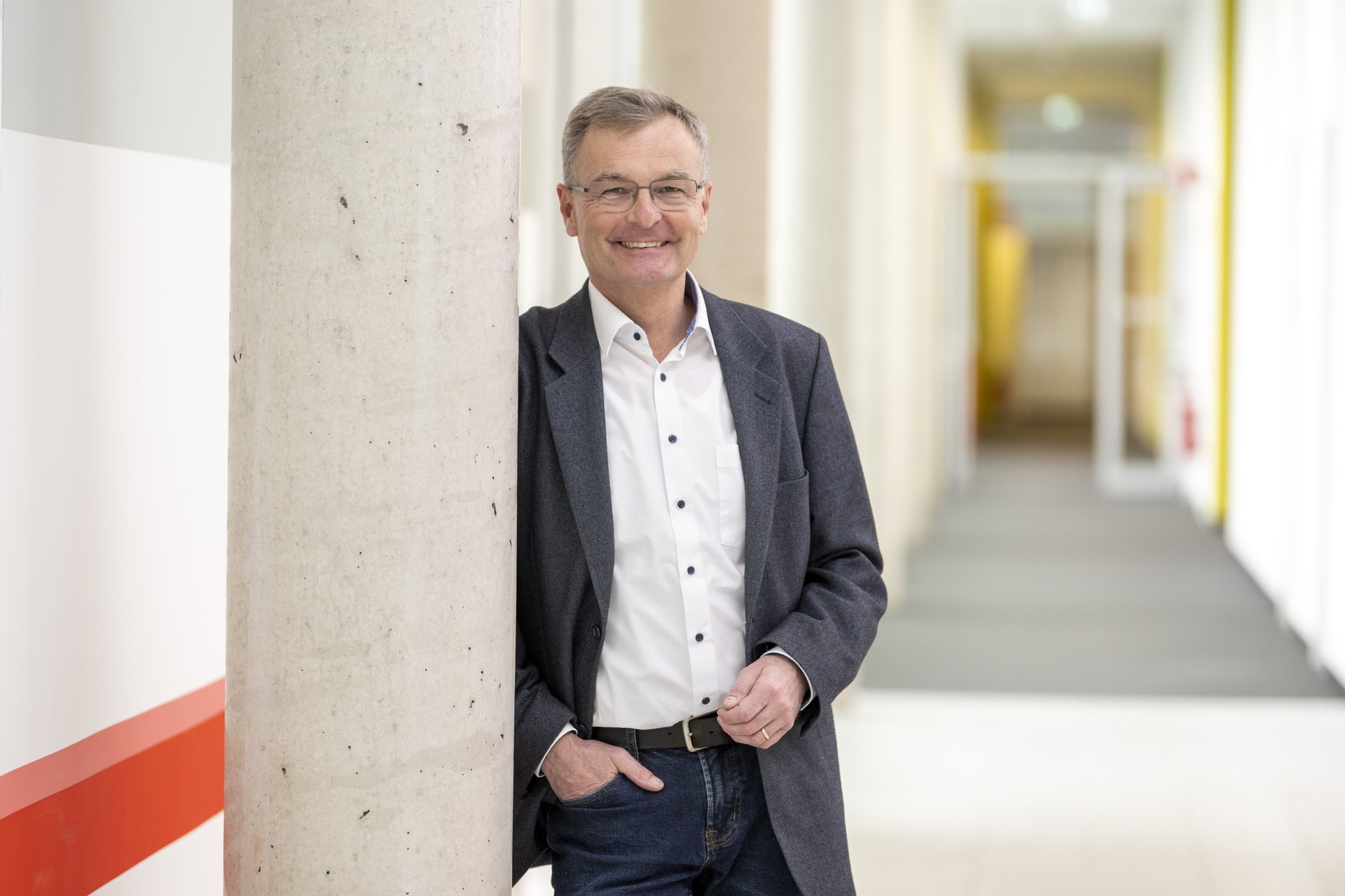
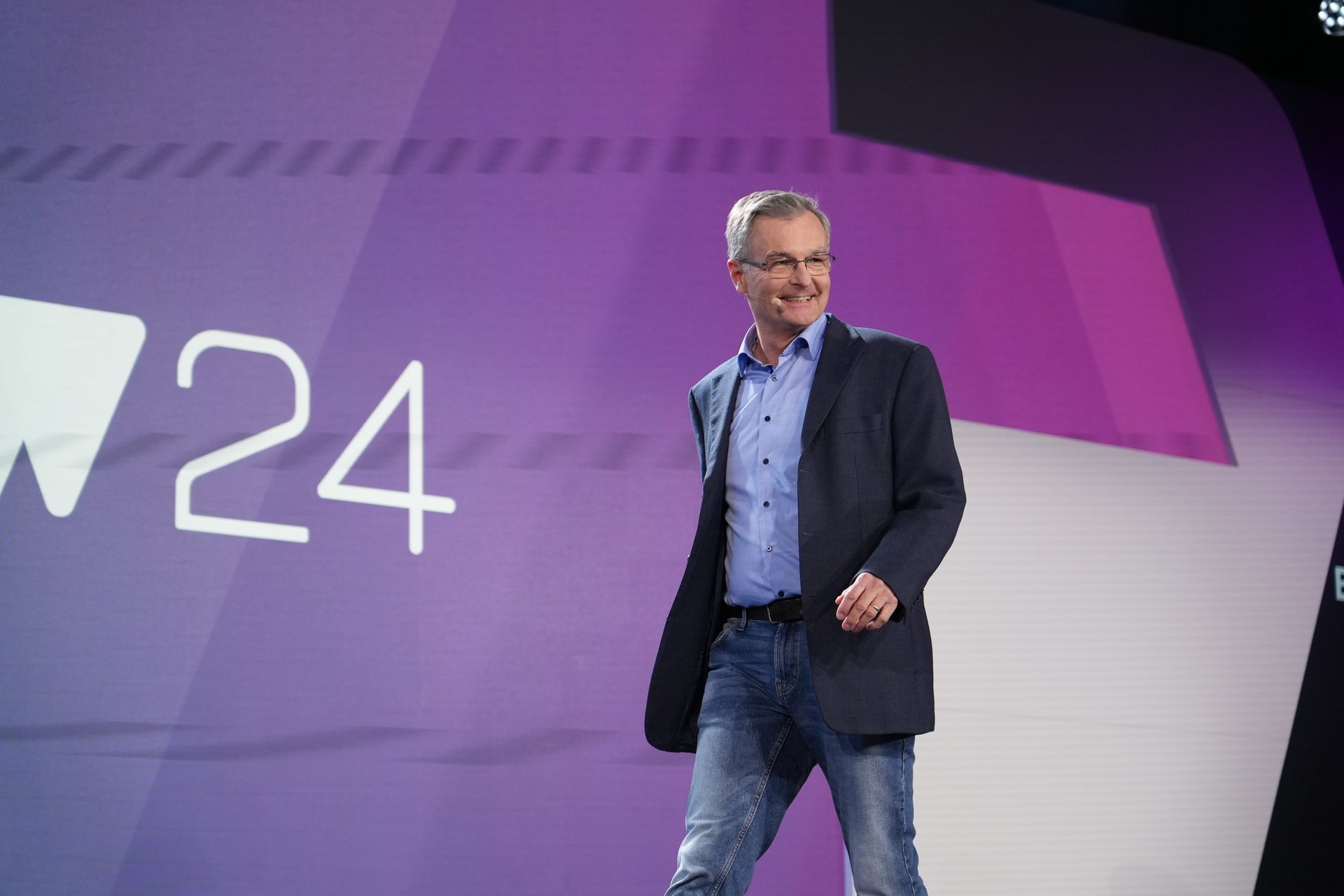
Prof. Dr. Thomas Kropf
I help leaders, founders and organisations turn technological complexity into clear decisions, responsible systems and real-world impact.
About
"I don't believe in buzzwords. I believe in systems you can explain."
Technology creates value only when it is genuinely understood — not just deployed. That is the question I have spent 30 years working on: how technological possibility becomes reliable, scalable impact.
My background is in making complex technology actually work. At Bosch's Driver Assistance Systems division, I led engineering teams that brought radar, video and ultrasonic driver-assistance systems into series production — including the first Near-Infrared Night Vision system for the Mercedes S-Class, recognised by German automotive journalists as the top innovation in 2006. From 2009, at Bosch's Chassis Systems division, I established Bosch's first autonomous driving programme — within 18 months, the prototype was driving fully autonomously on German highways with TÜV approval for test operation on public roads.
As EVP and Head of Corporate Research at Bosch, I led 1,700+ researchers across AI, software, automotive systems and advanced engineering. I merged Bosch Research with the Bosch Center for AI, tripled innovation transfers to divisions (90 → 279 per year), and established AI enablement programmes across the organisation — reaching more than 30,000 employees.
I still write code and work hands-on with modern AI tools — because you cannot lead what you no longer understand.
Today I work with leaders facing these same questions — on boards, with technology teams, at conferences, and at the University of Tübingen where I teach computer science.
From research to reality
Electrical Engineering → Computer Science → Formal Verification → Integrated Circuits → Driver Assistance → System Integration → Corporate Research → Artificial Intelligence → Start-ups & Advisory → Board & Teaching
Current
Selected Former Board & Advisory Roles
How I Think
01
The hardest part of any transformation is not the technology. It is clarity about what you are actually trying to achieve — and why it matters enough to change something that already works.
02
Speed without architecture produces debt — in software, in organisations, in AI strategies. Moving fast on an unclear foundation is not progress. It is failure on a larger scale.
03
Technology shapes how we work, decide and trust. That is too important to treat as a secondary question. Governance is not bureaucracy. It is part of the engineering.
04
AI is not a strategy. It is a capability that needs architecture, data, people and accountability. The strategy is what you build around it — and that work cannot be delegated to a slide deck.
Thinking
Topics I return to in advisory work, in keynotes, and in conversations with founders and board members who want to understand technology before deciding on it.
AI & Industrial Reality
The next significant leap will not come from language models. It will come from AI trained on real-world machine and sensor data — systems that can optimise manufacturing, materials discovery and industrial processes autonomously. Europe has the data. The question is whether organisations will open their silos.
Read on LinkedIn →Innovation & Risk
When BMW launched the Neue Klasse, German media turned it into an anxiety headline. Progress has always looked risky from the outside. The question is not whether to take risks — it is whether you understand what you are risking, and whether the alternative is actually any safer.
Read on LinkedIn →AI & Human Work
Agentic AI doesn't rescue a poorly structured operating model — it exposes it at speed. Companies that struggle with AI adoption don't have a technology problem. They have a clarity problem: unclear ownership, weak data discipline, and no shared definition of what success looks like.
Read on LinkedIn →Where I Contribute
I'm most useful when
When AI needs to move from pilot to real capability — with the architecture, governance and use-case clarity to make it sustainable. For organisations that need to turn AI ambition into operational reality.
Working directly with CEOs, CTOs and boards on technology decisions where the stakes are high — as a thinking partner with 30 years of industrial experience.
For founders who need industrial credibility alongside their technical ambition — from product architecture and scaling logic to investor communication and board-level conversations.
Talks that help leaders think clearly about technology and its industrial implications — drawing on 30 years of turning research into reality, for audiences from boards to engineering teams.
Whether it is an AI strategy question, a board challenge, a scale-up situation or a speaking enquiry — I would like to hear from you.